
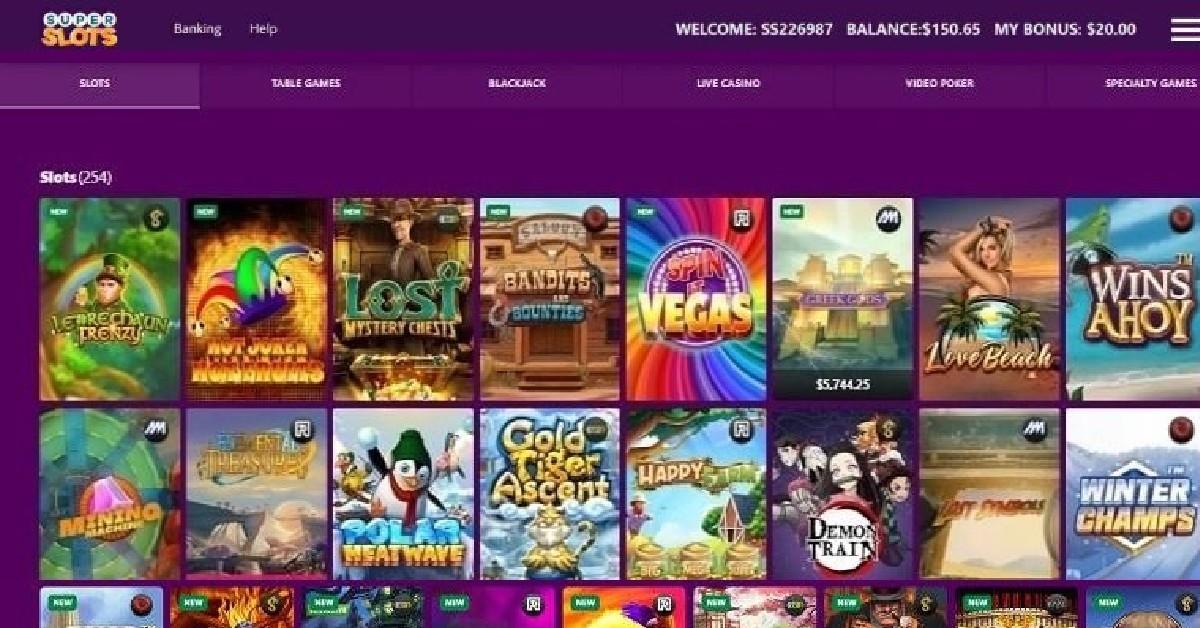
When I review a UK online casino, I don’t start by verifying if the welcome bonus is eye-catching or the lobby is loaded with slots. I begin by questioning whether the operator can prove its games, payments, and data handling are equitable. Casino fairness checks include random number generation, published payout percentages, licensing conditions, ongoing audits, and dispute resolution. For a British player, this isn’t a nice-to-have. The UK Gambling Commission sets mandatory technical standards, but operators distinguish themselves in how freely they display the evidence. In this guide, I’ll detail the parts of a proper fairness check and illustrate how I apply them to review the page. The aim isn’t to promote blind trust; it’s to provide you a practical way to verify whether a platform deserves it. I’ll address licensing, testing labs, return-to-player audits, security, payments, and mobile access from a UK angle.
The Function of Licensing and Regulatory Oversight
The UK Gambling Commission is the main regulator that is important for British players, but some international casinos run under other licences. That does not necessarily make them unsafe; it just signifies you need to know who implements the rules. The Commission obliges operators to hold customer funds in separate accounts, provide fair terms, verify age and identity, and subject to compliance audits. When I review 7ABet Casino, I want to see its licence information in the footer or on an easy-to-find responsible gambling page. A valid UK licence number can be checked against the Commission’s public register. This is one of the first fairness checks because no licence signifies you’re relying on goodwill. Overseas licences, like those from Malta or Gibraltar, provide their own safeguards, but the standards and complaints processes differ. I usually prefer UK-facing brands that present their regulator, licence number, and a link to dispute resolution.
Regulatory oversight is only as effective as the operator’s willingness to cooperate. The Commission can penalize, suspend, or revoke licences, but enforcement action often activates after a problem has already hit players. That’s why I also seek signs of proactive fairness: responsible gambling tools, clear complaint procedures, and links to independent bodies like IBAS or eCOGRA for alternative dispute resolution. At 7ABet Casino, I’d expect deposit limits, reality checks, time-outs, and self-exclusion options to be accessible. If a casino makes it difficult to find those tools, that reveals me something about its attitude to fairness. You should also confirm whether the casino is connected to GamStop, which is a legal requirement for UKGC-licensed operators. If a UK-facing casino doesn’t reference GamStop, that’s a red flag.
Methods to Cross-Check a Casino’s Fairness Claims
Once I’ve gathered the formal documents (licence number, RNG certificates, RTP figures, and privacy policy) I move to cross-check them against independent sources. A licence number bbc.co.uk that can’t be found on the Gambling Commission register is meaningless. I always pull up the public register, type the number, and confirm the trading name matches. The same applies for test certificates. Reputable labs maintain searchable databases where you can type a certificate ID or game name. At 7ABet Casino, I’d grab the certificate reference from the site and confirm it directly on the lab’s portal. This step requires five minutes and eliminates the risk of a reused or outdated logo.
Cross-checking also includes reading player reviews and forum discussions, but I regard those as supplementary evidence, not proof. A pattern of unresolved withdrawal complaints is a red flag, but I have to verify the regulator’s recent enforcement actions against the operator. The UK Gambling Commission publishes decisions and penalty notices online. If 7ABet Casino has been fined for anti-money-laundering failures or unfair terms, I’ll notice that record. I also review the ADR provider’s website to see whether the casino is listed and whether any published decisions mention it. Finally, I contrast the terms and conditions across different country versions of the same site. A UK-facing page that shows different bonus rules or withdrawal limits than the general version raises a fairness question. All these comparisons give me a concrete checklist that I follow before I deposit real money.
Detailed verification checklist
- Look up the licence number on the UKGC public register and confirm the trading name and status.
- Use the RNG certificate reference and search it on the testing lab’s website; verify the game version.
- Access the help file of three different slots and note the RTP; compare these figures with the game studio’s published data.
- Check the ADR provider’s site for the casino’s name and any public decisions.
- Scan the UKGC enforcement actions page for the operator’s name.
- Go through the withdrawal terms and compare them with what support says in live chat.
- Test the self-exclusion and deposit-limit tools to confirm they are functional and easy to find.
What Casino Fairness Checks Actually Mean

A casino fairness check doesn’t represent a single badge or certificate. It represents a set of verifiable processes that guarantee game outcomes aren’t rigged, the advertised terms are accurate, and your money is handled properly. In the UK, that usually starts with the operator’s licence. The Gambling Commission requires operators to prove their software uses a random number generator tested by an approved lab. Fairness also includes bonus terms, withdrawal processing, and how a casino handles self-exclusion or complaints. When I review 7ABet Casino, I look for evidence of those processes as opposed to swallowing the marketing. A site can state its games are fair, but without identifiable test reports and licence details, that claim holds little. The real question is whether you or a third party can independently confirm the platform’s fairness claims. In British online gambling, transparency is the strongest signal.
Plenty of players believe fairness only pertains to slot spins or roulette wheels. In reality, it spans everything from how a bonus wager is calculated to how a live dealer game is streamed. A casino might utilize audited software for its slots but impose restrictive withdrawal caps that quietly reduce the value of a win. That’s a fairness issue too. So a thorough check involves reading the terms on bonuses, withdrawal limits, and ID verification. At 7ABet Casino, I’d review the advertised bonus conditions and payment policy before chasing any offer. The goal is not to find a perfect operator; no casino passes every subjective test. The goal is to understand where the risks sit and whether the platform’s shortcomings are bbc.co.uk disclosed openly. That’s the difference between a manageable gambling decision and a blind leap. UK players have stronger consumer protection than most, but that protection only works if you read the rules.
The Constraints of Fairness Audits and What They Don’t Cover
Even a full set of passing certificates doesn’t guarantee a casino is risk-free. Fairness audits are designed to catch systematic rigging, not to shield you from high volatility or poor bankroll management. A slot with a certified 96% RTP can still devour your entire deposit in a few hundred spins because the maths works out over millions of rounds. That’s not unfair; it’s probability. Similarly, a live blackjack game broadcast from a licensed studio is fair in card distribution, but the house edge stays because of the rules. I never confuse a fairness certificate with a guarantee of short-term results. The audit validates the game isn’t manipulated, not that I’ll win.
Another blind spot is the promotional layer that sits on top of the games. A casino can hold valid RNG certificates and still apply wagering requirements that make a bonus nearly impossible to clear. The fairness of the underlying game engine does not carry over to the commercial terms. At 7ABet Casino, I’d verify whether the bonus policy restricts winnings from free spins or forbids certain bet sizes during wagering. Those are commercial decisions, not technical faults, but they impact the real value of a win. Audits also seldom address the speed of support response, the accuracy of live chat information, or whether a casino terminates accounts and seizes funds under vague “irregular play” clauses. These are fairness issues that sit outside the scope of technical testing. A smart player therefore treats the audit report as one piece of a larger picture. I monitor the following gaps that no certificate will fill:
- Substantial wagering requirements that are revealed only after a bonus is claimed.
- Maximum bet rules during bonus play that are simple to break accidentally.
- Withdrawal reversals that allow you to cancel a cashout and gamble the funds again.
- Account closures and KYC re-requests prompted by a large win.
- Changes to the RTP of a game without a clear update in the help file.
I also review how the casino deals with dormant accounts and whether it charges inactivity fees that slowly drain a balance. UK regulations impose limits on such fees, but enforcement isn’t always immediate. A fairness-aware player will review the dormant account clause and set a calendar reminder to log in periodically. I also assess the mobile experience. A casino can be fair on desktop but provide a sluggish app that crashes during a crucial live-dealer hand. While that’s not a fairness violation in the regulatory sense, it can cost you money. I check whether the app’s features reflect the desktop version and whether all responsible-gambling tools are accessible on mobile. The final piece is recognizing when to stop. Fairness checks offer you the tools to differentiate honest operators from questionable ones, but they can’t eliminate the house edge or the randomness of outcomes. I use them to choose a platform where I can focus on the game instead of anxious about whether the dice are loaded.
Player Return and Payout Audits
RTP, usually abbreviated as RTP, is a theoretical percentage of total money wagered that a game is anticipated to return over a large number of rounds. It’s not a commitment about your next session. A slot with 96% RTP doesn’t mean you’ll lose exactly 4% of your bankroll tonight. It means that over millions of spins, the game is built to keep around 4% of all wagers. Fairness audits check that the actual RTP falls within the expected range and that the game hasn’t been silently changed after launch. When I assess 7ABet Casino, I look for whether RTP information is visible in the game rules. Some UK-facing casinos show the RTP for each slot inside its help file. If the figure is absent, I check the game producer’s website. The absence of a clear RTP figure doesn’t prove a game is unfair, but it does mean I have to work harder to validate it.

RTP audits become increasingly important with progressive jackpots and table games. A progressive jackpot may subtract a small percentage from each stake to fund the top prize, which changes the base game’s effective return. Table games like blackjack have a house edge that depends on the specific rules, like whether the dealer stands on soft 17 or whether surrender is permitted. A genuine fairness check looks at the full game design, not just the marketing number. At 7ABet Casino, I’d contrast the stated RTP with the available game variants. Live dealer games are a different animal because outcomes come from physical equipment, so fairness depends on camera coverage, card shuffling procedures, and studio accreditation. The operator should state where the live games are streamed from and under what authorization the studio operates. If that information is absent, I’d hesitate before placing large bets.
Protection, Data Security, and Payment Integrity
Impartiality in an online casino also encompasses how your money and personal details are processed. I seek TLS encryption on every page where login, banking, or personal data is input. In the UK, data protection law obliges operators to state what personal information they obtain and why. A privacy policy isn’t glamorous, but it reveals a lot about how the casino views its players. At 7ABet Casino, I’d check that the privacy policy is drafted in plain English and identifies a UK or EU data controller. Payment reliability includes deposit and withdrawal methods, processing times, identity verification, and any fees. A casino can have perfect RNGs and still flunk a fairness check if it causes withdrawals deliberately slow or unclear. Payment fairness signifies the casino tells you before you deposit what the limits and timelines are.
Standard UK payment methods include debit cards, e-wallets, bank transfers, and sometimes prepaid vouchers. Processing times often span from instant for e-wallet deposits to one to five business days for withdrawals, depending on the method and verification status. I never consider those ranges as guarantees; the only terms that matter are the ones released by the operator and verified by support. At 7ABet Casino, I’d examine whether deposit and withdrawal pages display minimum and maximum amounts, any fees, and whether bonuses influence withdrawal processing. You should also understand that UK-licensed operators must confirm identity, age, and address before first withdrawals. That’s not obstruction; it’s anti-money-laundering law. Fairness implies the casino will ask for documents, manage them promptly, and clarify why any delay occurs. I focus on how clearly those verification steps are described and whether the support team reiterates them consistently. Here are signs that help me identify a payment setup that misses a fairness check:
- The cashier page withholds withdrawal limits or only reveals them after you’ve deposited.
- Processing times are missing or framed as “up to 10 working days” without a clear maximum.
- Identity verification is required only after a withdrawal is submitted, without prior warning.
- Fees are listed nowhere but emerge in the fine print of a separate terms page.
- The same payment method is approved for deposits but not for withdrawals, compelling you into a slower option.
How Random Number Generators Get Tested
Random number generators, or RNGs, sit at the heart of digital casino games. They spit out unpredictable sequences that dictate card draws, reel positions, or dice outcomes. Fairness testing means an external lab accumulates millions of results and runs statistical analyses to confirm there’s no bias or pattern that the operator or a player could exploit. Labs like GLI, iTech Labs, Quinel, and eCOGRA manage these evaluations. For UK players, the key point isn’t just that an RNG exists; it’s that the test was done by a recognised lab and the certificate is current. When I review 7ABet Casino, I seek logos or links to test certificates from those labs. Those certificates won’t guarantee you’ll win, but they do show the game engine has been held to a measurable standard.
What a Test Certificate Should Show
A useful certificate tells me at least four things: the name of the lab, the exact game or platform tested, the date of evaluation, and the standard or method used. It might also state the confidence level of the statistical analysis. If a certificate is so generic it could apply to any site, I treat it as marketing. I also verify whether the certificate covers the current version of the game I’m about to play. Some older certificates stay on display long after a game has been updated. At 7ABet Casino, I’d anticipate the game provider’s certificate to match the title in the lobby. When in doubt, record the game ID and version, then check that against the lab’s public database. That kind of cross-checking is exactly what a serious fairness assessment entails. A certificate that lacks these details doesn’t give much protection.